Why Hasn't ChatGPT Fixed My Eating Disorder?
Or, some applications of AI in psychiatry/psychotherapy that I’m excited about, but I really wanted to use a clickbait title
Why hasn’t ChatGPT fixed my eating disorder yet? Why can’t my iPhone avert anxious spirals with behavioural nudges? Why can’t a machine-learning model prescribe me the perfect antidepressant?
I’ve spent the last year thinking about these questions. People in my circles talk endlessly about how transformative AI is going to be in every domain, and I’m surprised that few seem to discuss whether it might make us happier. Isn’t the whole point of progress to increase our collective well-being?
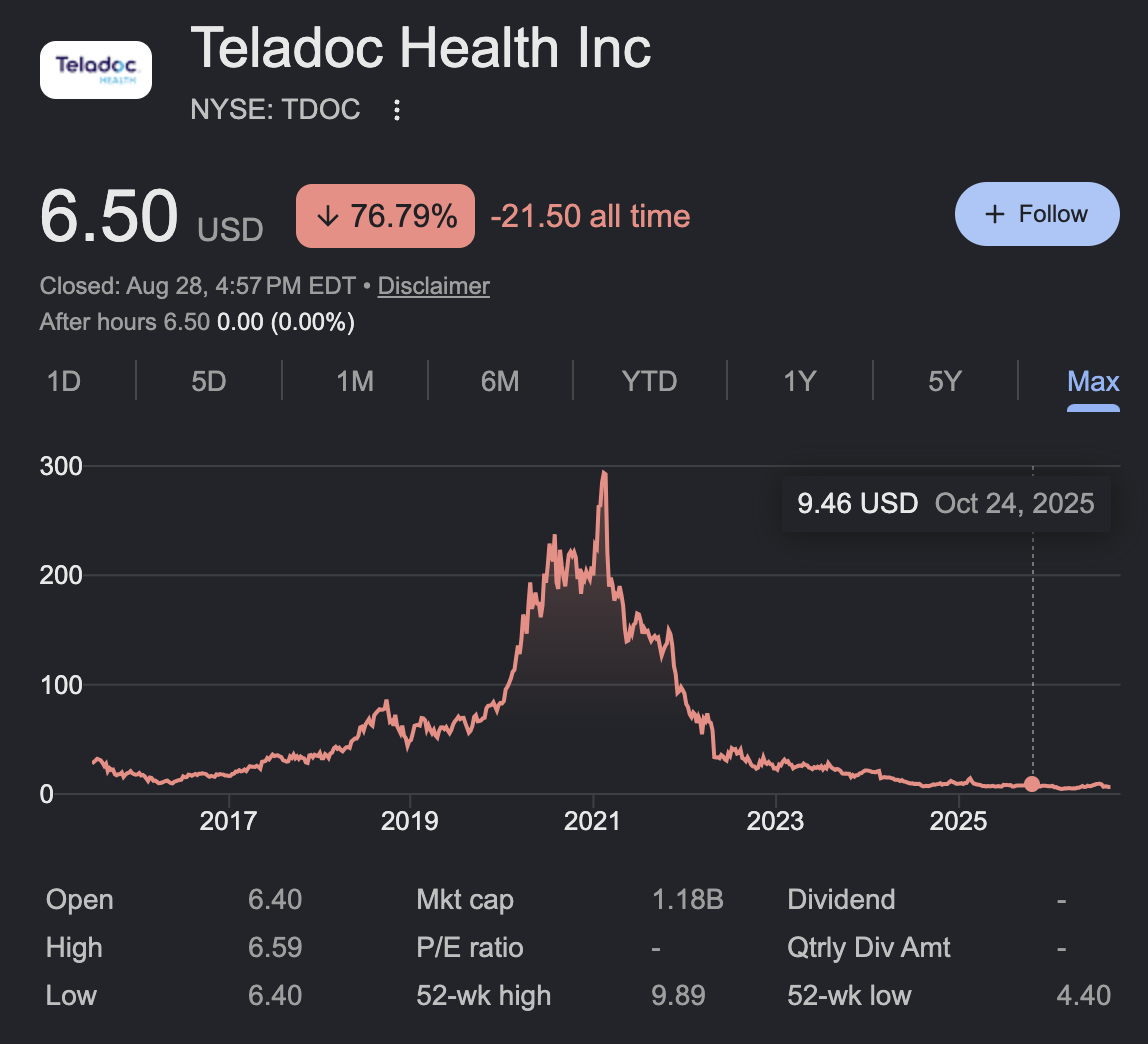
I have a vested interest in these questions. I’ve wrestled with depression for my whole adult life, and despite trying many interventions, I still struggle with it. If AI could magically fix my problems, it would change my life. Needless to say, I am rooting for that to happen. Separately, I was involved in the BetterHelp class-action lawsuit in 2024; the company shared data about my psychological and financial health with Facebook, Snap, and other advertisers, and in return I got a measly $15. While it is some comfort that the shares in BetterHelp’s parent company, Teladoc Health, are down ~98% from their peak, the BetterHelp brand appears to be trying to make a comeback. I want more than $15; I want BetterHelp destroyed. If AI can enable that, then great, and if I can personally speed up their destruction, that’s even better.
This has become my pet research project. I’m surprised that nobody else appears to be interested in it; the space seems dominated by either psychiatrists who have a vested interest in keeping their jobs or entrepreneurs who have a vested interest in selling their products. It quickly became obvious that, AI aside, the incentives in the field are poorly aligned. People want to make money, keep their high-status jobs, and avoid being sued. I’m sure that everyone cares about patient outcomes to some extent, but systemic pressure prevents anyone from optimising for them.
I am optimistic about the impact that AI could have on psychiatry and psychotherapy. There is a lot of talk about AI chatbots being stand-ins for therapists already, but many angles are still under-discussed. For example, it seems plausible to me that a lot of the upsides of this use case are illegible. People often feel unable to reach out to a human therapist, whether for financial, stigmatic, or practical reasons, yet might feel able to discuss their problems with an AI chatbot. Simply unburdening oneself can have a profound psychological impact, and perhaps countless tragedies have already been averted as a result, but we have no way of evaluating this.
A drop-in replacement for a human therapist is the most obvious use case, and indeed there is already a close-to-saturated market of therapeutic LLM-powered chatbots. There are many other potential applications. AI could be used to improve therapists’ training by providing high-quality simulations of patient interactions, including those with difficult-to-roleplay conditions like psychosis. It could create digital twins of patients and therapists, allowing a client-therapist matching process that saves the client stress and the therapist time. It can be used as a diagnostic tool to assess a patient’s level of depression or mania using either a short video of them speaking or the telemetry from their phone keyboard. If we could more accurately quantify the condition of a given patient, we could unlock results-based pricing, à la Chris Lakin. It might indeed be able to prescribe you the optimal antidepressant, or better yet, create more effective antidepressants than those currently available.
There are ideas even more ambitious than that. There could be an Alpha School, but for private psychiatry clinics. If AI could enable sufficient progress in neuroscience, we might get psychiatry “for free” by finally having a robust mechanistic understanding of psychopathology. My dream is that we could do away with diagnoses altogether, and simply have people be assessed by a model which then generates the perfect prescription for them.
I don’t know if we’re on the right path for these things. I’m worried that we’ll regulate them poorly, or that poor incentives will derail admirable ideas. I care deeply about this stuff; I don’t want people to have to suffer with their mental health in the way that I have, and perhaps AI is the lever I can pull to change things. I’m excited to keep laying out my vision for a future where technology actually makes us all happier.